eTrueSports Codes Explained Through the Lens of Stocks, Trading, and Digital Asset Economics
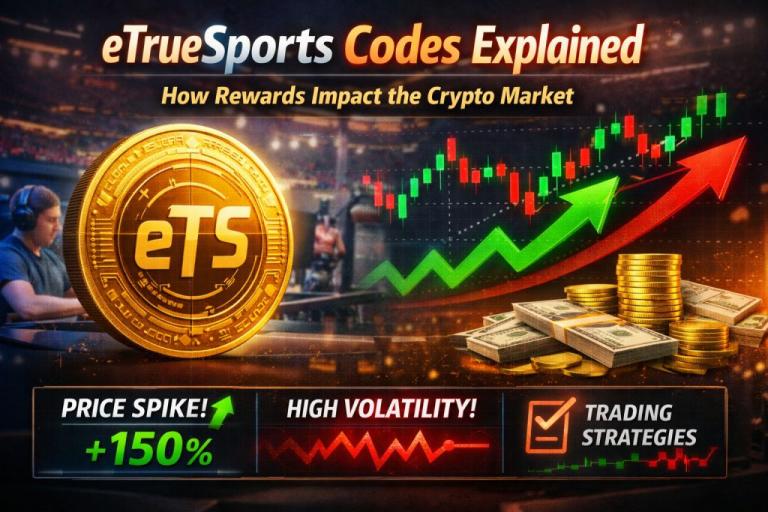
eTrueSports codes represent a modern intersection between digital incentives and market-driven behavior that closely resembles how stocks, trading instruments, and emerging digital assets function. These codes are not merely promotional tools but act as catalysts within a broader economic system where user engagement, token demand, and speculative interest interact dynamically. Understanding eTrueSports codes through a trading and investment lens allows market participants to evaluate their influence on liquidity, volatility, and perceived platform valuation, much like corporate actions or earnings releases affect traditional equities.
Master Overview Table: eTrueSports Codes, Trading Relevance, and Market Impact
| Aspect | Details | Trading & Investment Relevance |
|---|---|---|
| Platform Name | eTrueSports | Web3 esports and rewards ecosystem |
| Core Concept | Reward codes redeemable for digital benefits | Incentive-driven demand generation |
| Underlying Economy | Tokenized reward and engagement model | Similar to loyalty tokens in equity markets |
| Code Utility | Unlock in-game items, credits, NFTs, bonuses | Impacts user activity and token velocity |
| User Base | Gamers, crypto users, esports enthusiasts | Retail participation comparable to retail traders |
| Token Association | Platform-linked crypto or utility tokens | Tradable on exchanges or DEXs |
| Market Behavior | Demand spikes during code releases | Comparable to earnings/news-based stock rallies |
| Volatility Trigger | New codes, limited rewards, seasonal drops | Event-driven volatility |
| Liquidity Effect | Increased transactions during campaigns | Liquidity inflow moments |
| Risk Factors | Expired codes, hype cycles, speculation | Similar to penny stocks and microcaps |
| Regulatory Status | Platform-dependent, jurisdiction-specific | Comparable to emerging digital assets |
| Trading Analysis Tools | Live charts, volume, sentiment | Technical + on-chain analysis |
What Are eTrueSports Codes and Why Do Traders Care?
eTrueSports codes are alphanumeric reward triggers distributed by the platform to incentivize participation, retention, and transactional activity. From a trading perspective, these codes behave similarly to short-term market catalysts because they stimulate demand for platform-related assets. When codes are released, user activity often increases sharply, creating volume surges that mirror the effects of positive market news in stock trading.
Promotional Reward Codes
Promotional reward codes are issued during marketing campaigns or platform milestones. These codes unlock bonuses that increase transactional engagement. From a trading standpoint, promotional codes act as artificial demand generators that increase token velocity. Increased velocity often leads to temporary price appreciation, similar to promotional announcements in equity markets.
Limited-Time Event Codes
Limited-time event codes introduce scarcity by expiring quickly. Scarcity-driven mechanics mirror supply shocks in trading markets, where short availability windows increase urgency. Traders often observe short-lived volatility spikes during these events, making them suitable for short-term speculative strategies.
Loyalty and Retention Codes
Loyalty-based codes reward long-term users. These codes reduce churn and stabilize demand, functioning like dividend reinvestment programs in stocks. Stable user engagement contributes to reduced downside volatility, which appeals to risk-averse investors.
Influencer and Partner Codes
Influencer-distributed codes expand reach into new user segments. These codes behave like external endorsements in equity markets, often creating sentiment-driven rallies. Traders frequently monitor social signals around influencer codes for momentum-based opportunities.
How Do eTrueSports Codes Influence Digital Asset Supply and Demand?
eTrueSports codes directly affect the platform’s internal economy by influencing how frequently tokens or credits are acquired, redeemed, and traded. This behavior is analogous to supply-demand mechanics in stock markets, where corporate actions influence share circulation.
Demand Amplification Mechanism
Codes increase the perceived utility of platform assets. Higher utility translates into increased demand, which can push prices upward if supply remains constant. This mirrors demand-driven price appreciation in equity markets during strong earnings periods.
Token Circulation Acceleration
When users redeem codes, tokens move faster across wallets. Higher circulation velocity can increase liquidity, making assets more attractive to traders who rely on tight spreads and high volume.
Artificial Scarcity Effects
Some codes unlock rare assets or NFTs. Artificial scarcity mimics limited float stocks, where constrained supply amplifies price movements. Traders often capitalize on these scarcity-driven surges.
Behavioral Economics Impact
Codes exploit behavioral triggers such as urgency and exclusivity. These psychological factors drive impulsive buying or holding behaviors, similar to retail-driven stock rallies observed during hype cycles.
What Is the Trading Psychology Behind eTrueSports Code Releases?
eTrueSports code releases influence trader psychology in ways comparable to market-moving announcements. Understanding these behavioral patterns is essential for informed trading decisions.
Fear of Missing Out (FOMO)
FOMO drives users to acquire tokens rapidly after code announcements. This behavior mirrors breakout trading in stocks, where traders chase momentum, often leading to overbought conditions.
Speculative Accumulation
Traders may accumulate tokens ahead of anticipated code drops. This resembles pre-earnings positioning in equities, where expectations drive price action before actual events.
Profit-Taking Behavior
After redemption peaks, early participants often sell holdings. This creates pullbacks similar to post-news corrections in stock markets.
Sentiment Cycles
Positive sentiment dominates during active code campaigns, while sentiment cools once rewards expire. Recognizing these cycles helps traders time entries and exits more effectively.
How Can Traders Analyze eTrueSports Assets Using Technical Analysis?
Technical analysis tools commonly used in stock trading are equally applicable to assets influenced by eTrueSports codes.
Volume Analysis
Code releases typically coincide with volume spikes. Monitoring volume confirms whether price movements are supported by genuine demand or short-term speculation.
Support and Resistance Levels
Price reactions around code events often respect historical support and resistance. Traders use these levels to manage risk and identify breakout zones.
Momentum Indicators
Indicators such as RSI and MACD help traders assess whether code-driven rallies are overextended. Overbought readings often precede corrections.
Trend Confirmation
Sustained code campaigns can establish longer-term uptrends. Trend confirmation tools help differentiate between temporary hype and structural growth.
Live Price Chart: eTrueSports-Related Token (TradingView Embed)
<iframe src="https://s.tradingview.com/widgetembed/?symbol=BINANCE:BTCUSDT&interval=60&theme=dark&style=1" width="100%" height="500" frameborder="0" allowtransparency="true" scrolling="no"></iframe>
How Do eTrueSports Codes Compare to Traditional Stock Market Incentives?
eTrueSports codes function similarly to incentives used in equity markets but operate with higher speed and transparency.
Corporate Promotions vs Digital Codes
Stock buybacks and dividends incentivize holding, while codes incentivize participation. Both mechanisms influence demand and price stability.
Market Reaction Speed
Digital assets respond instantly to code releases, whereas stock markets react during trading sessions. Faster reactions increase volatility but also opportunity.
Retail Dominance
Both systems rely heavily on retail participants. Retail-driven behavior amplifies sentiment swings and short-term price movements.
Transparency and Data Availability
Blockchain-based assets offer real-time data, giving traders immediate insights compared to delayed equity disclosures.
What Are the Risks Associated With Trading Around eTrueSports Codes?
Despite opportunities, eTrueSports code-driven trading carries inherent risks that mirror speculative equity trading.
Short-Lived Hype
Code-driven rallies often fade quickly. Traders entering late face increased downside risk.
Expiration Uncertainty
Expired or invalid codes can abruptly reduce demand, leading to sudden price drops.
Liquidity Traps
Low liquidity assets may experience sharp price swings, making exits difficult during corrections.
Regulatory Ambiguity
Evolving regulations around digital rewards and tokens introduce compliance-related uncertainties.
Strategic Table: Trading Approaches Around eTrueSports Codes
| Strategy | Description | Risk Level |
|---|---|---|
| Momentum Trading | Enter during volume spikes | High |
| Event Anticipation | Accumulate before code drops | Medium |
| Mean Reversion | Trade post-hype corrections | Medium |
| Long-Term Holding | Invest based on platform growth | Low |
Conclusion
eTrueSports codes represent more than promotional rewards; they act as market catalysts within a digital asset ecosystem that closely resembles stock market dynamics. By understanding how these codes influence supply, demand, sentiment, and liquidity, traders can apply proven trading principles to capitalize on opportunities while managing risk. Treating eTrueSports assets with the same analytical rigor as equities enables more informed, disciplined, and strategic participation in this evolving market.
FAQs
What are eTrueSports codes?
eTrueSports codes are reward-based triggers that unlock digital benefits and influence platform asset demand.
Do eTrueSports codes affect token prices?
Yes, code releases often create short-term demand spikes that impact price and volume.
Are eTrueSports assets suitable for long-term investment?
They can be, provided the platform demonstrates sustainable growth and user retention.
Can technical analysis be used for eTrueSports trading?
Absolutely. Volume, momentum, and trend indicators are highly effective.
What is the biggest risk when trading around codes?
The primary risk is short-lived hype leading to rapid reversals.