
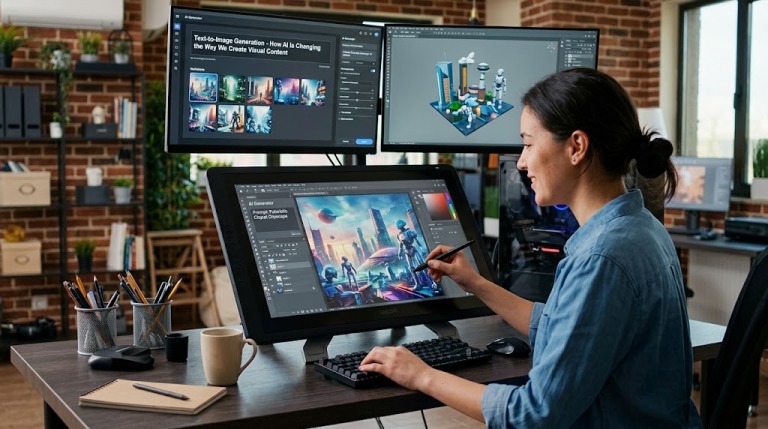
How AI Is Changing the Way We Create Visual Content
A few years ago, producing a polished graphic meant either hiring a designer or spending hours in editing software learning tools you’d probably never touch again. That barrier has largely disappeared. Today, anyone with an idea and a text prompt can generate a usable image in seconds, and the technology behind that shift keeps getting better at understanding exactly what people mean when they describe a scene.
This shift matters most for people who create content regularly but aren’t trained designers marketers, bloggers, small business owners, students, and social media managers. For these users, the appeal isn’t just speed; it’s the ability to iterate. Instead of settling for a stock photo that almost fits, you can describe precisely what you want lighting, mood, composition, style and generate several variations until one feels right.
Why Prompt Understanding Matters
The quality gap between AI-generated images often comes down to one thing: how well the underlying model interprets language. Earlier tools struggled with anything beyond simple descriptions ask for “a red car in the rain at night with reflections on wet pavement” and you’d often get a car, rain, and not much else. Newer models handle layered instructions far more reliably, which is a big reason why tools built around updated engines like GPT Image 2.5 have gained attention. Better prompt comprehension means fewer wasted attempts and results that actually match the creative brief, rather than a rough approximation of it.
Accessibility Is the Real Story
What’s easy to overlook is that the biggest change isn’t technical it’s who now has access to this capability. A person running a small online shop can produce product mockups without a photography budget. A teacher can illustrate a lesson concept instantly. A freelance writer can generate a header image for a blog post without leaving the platform they’re already working in. Tools built as an accessible AI image generator lower the skill floor enough that experimentation itself becomes part of the creative process, rather than an intimidating extra step.
Where This Is Headed
The pace of improvement suggests this is still early. Expect tighter integration with video and design workflows, faster generation times, and more granular control over style consistency useful for anyone building a recognizable visual brand across multiple pieces of content. As models get better at following nuanced instructions, the line between “AI-generated” and “professionally designed” will keep blurring.
A Few Practical Tips
If you’re experimenting with these tools, a few habits go a long way: be specific about lighting and composition rather than just subject matter, generate multiple variations before picking a favorite, and treat the first result as a draft, not a final answer. Small prompt adjustments swapping one adjective, adding a camera angle often produce a noticeably better outcome than starting from scratch.
AI-assisted image creation isn’t replacing creative judgment; it’s removing the technical bottleneck that used to sit between an idea and its execution.